For Universities
Professional development for university faculty and math instructors. Specialized student workshops designed to alleviate developmental math anxiety, increase STEM engagement, and decrease course attrition.
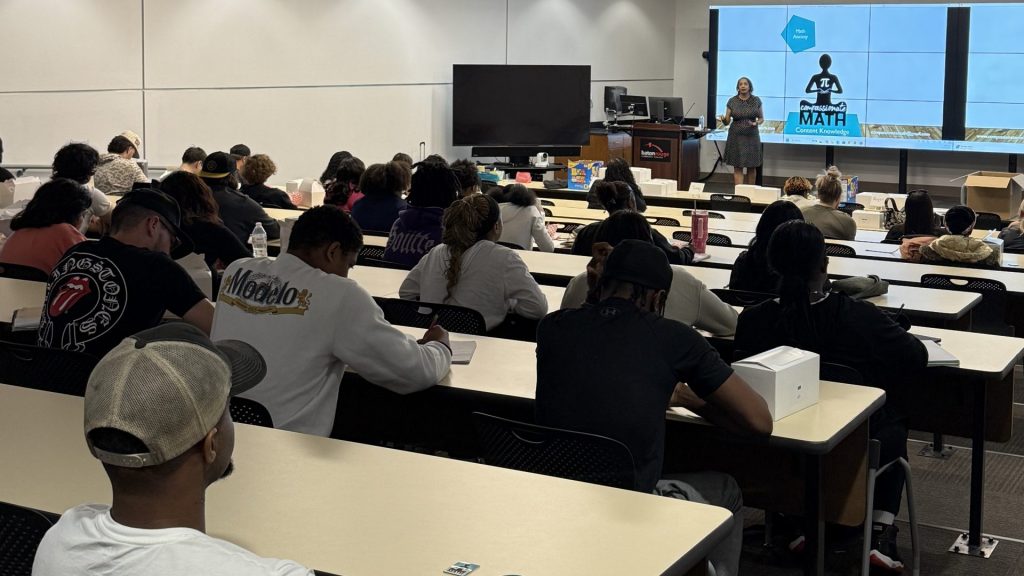
Most math trauma work talks around students or tries to fix the problem by training teachers. We talk directly to students AND train teachers (and university faculty). Compassionate Math delivers deep, research-based interventions directly to both educators and students.
Our trauma workshop is based on a framework from genocide healing literature—adapted specifically for the collective trauma students experience in math education. We don’t just address anxiety; we tackle the full spectrum of math trauma including shame, imposter syndrome, stereotype threat, and the systemic inequities that create mathematical gatekeeping.
For K-12 teachers, we bring direct, actionable strategies based on both research and practical experience. We speak to teachers in a way that acknowledges their needs and challenges without condescension.
For program directors supporting traditionally marginalized students in higher education, we provide the intervention that tutoring can’t deliver: students who are willing and able to engage with math because they’ve worked through their trauma, understand their intrinsic motivation, and have concrete strategies for success.
Most programs focus exclusively on training teachers to assist students and don’t engage who needs the most immediate help, students. In contrast, my program directly engages with students who require support AND trains their teachers and faculty on how to best support them.
The experience and skills to support teachers who are overwhelmed, faculty who need pedagogical support, and college students who avoid math when they have the option to steer clear of it even when the importance of studying math becomes apparent.
The Compassionate Math Framework doesn’t just address anxiety but incorporates seven distinct factors (including equity and social justice) that contribute to student success, emphasizing how socioemotional learning is critical to mathematical success.
Compassionate Math provides deep, reflective professional development that gets to the heart of mathematical teaching and learning, without compromising on rigor. Grounded in my published research, a PhD in Teaching and Teacher Education, and nearly 15 years of higher education and classroom instructional experience, our programs translate high-level scholarly research into practical, transformative strategies for today’s K–12 classrooms.
Mathematical anxiety and disengagement rarely reflect a lack of student ability. Grounded in educational research, our approach recognizes how broader systemic inequities and traditional, exclusionary instructional models impact student beliefs about their own intelligence. We partner with educators to identify these structural barriers and implement culturally responsive, research-backed practices that create inclusive, high-rigor classrooms where every student thrives.
Professional development for university faculty and math instructors. Specialized student workshops designed to alleviate developmental math anxiety, increase STEM engagement, and decrease course attrition.

Job-embedded professional development, instructional coaching, and SEL-integrated math pedagogy for district administrators, teachers, and school communities. Designed to overcome math trauma and raise student achievement without sacrificing rigor in Title I and standards-based environments .
Targeted 1-on-1 coaching to heal personal math trauma, rebuild mathematical confidence, and equip parents to support their children's math learning journey at home.
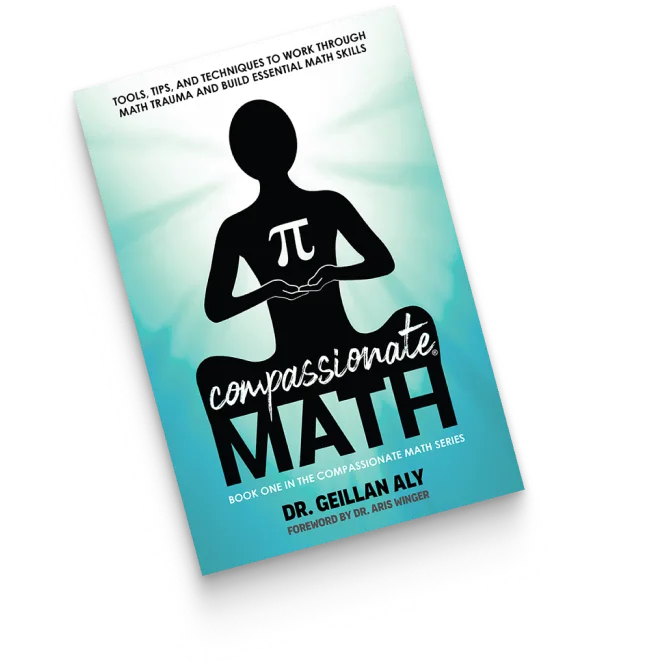
Compassionate Math: Book One of the Compassionate Math Series, is half compassion (work through math trauma), and half math (conceptually understand arithmetic).
Written for the adult reader in a friendly, yet rigorous tone.
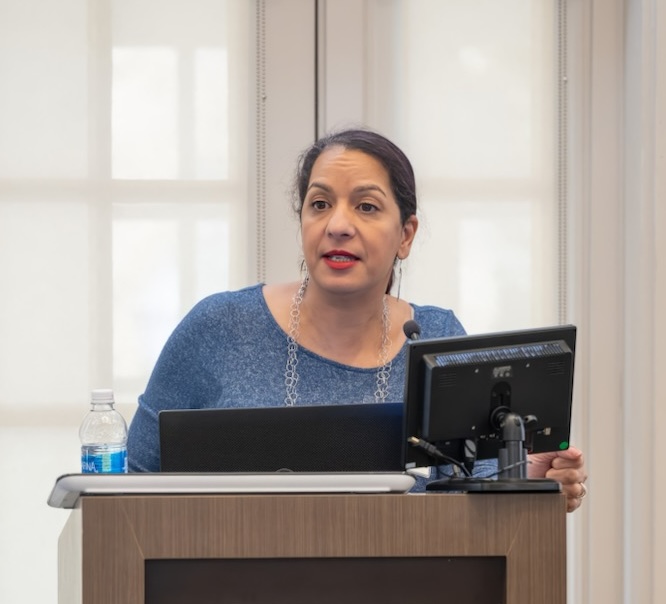
“When students avoid math, they’re not just avoiding a subject — they’re being locked out of social mobility.”
Your audience has heard that math is important. They haven’t heard why their students are failing to engage with it — and what to actually do about it.
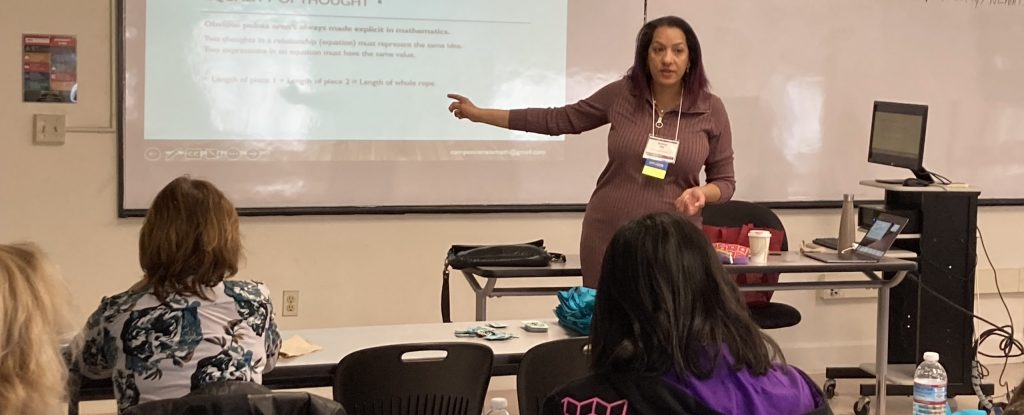
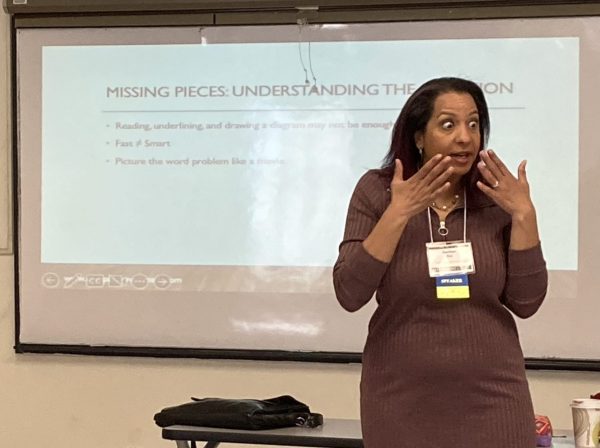
Dr. Geillan Aly brings the research on math trauma to conferences, institutions, and professional development events, delivering talks that shift how educators understand the problem and leave with a framework for real change.