For Universities
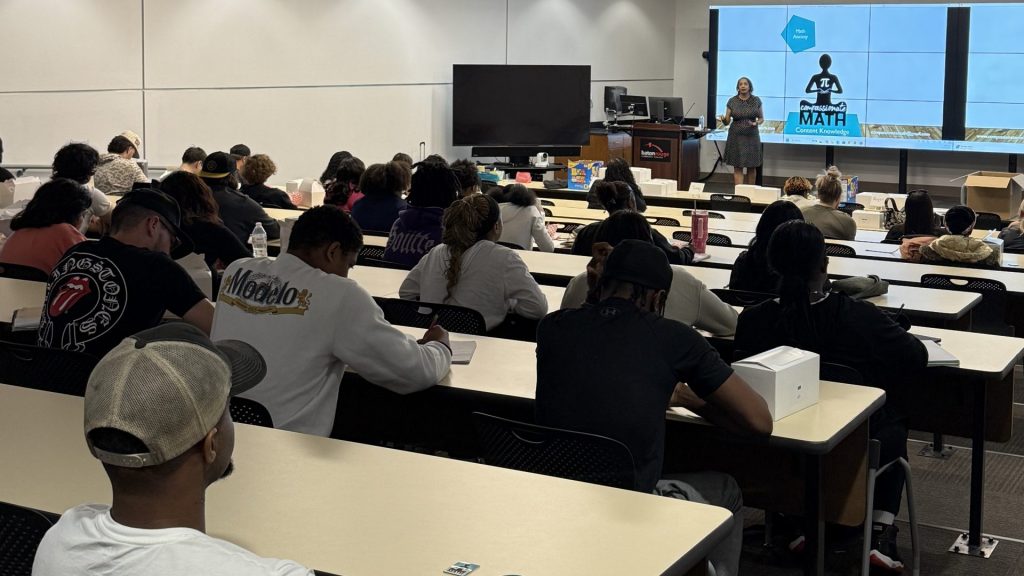
Professional development for university faculty and math instructors. Specialized student workshops designed to alleviate developmental math anxiety, increase STEM engagement, and decrease course attrition.


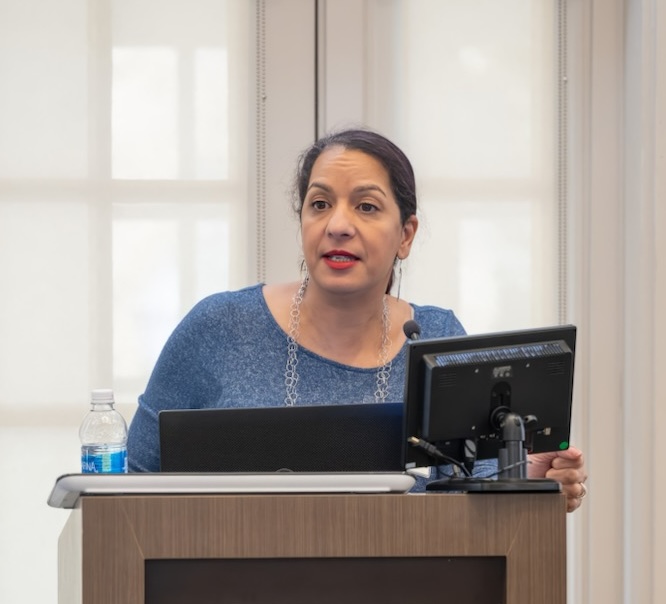
Professional development for university faculty and math instructors. Specialized student workshops designed to alleviate developmental math anxiety, increase STEM engagement, and decrease course attrition.
Job-embedded professional development, instructional coaching, and SEL-integrated math pedagogy for district administrators, teachers, and school communities. Designed to overcome math trauma and raise student achievement without sacrificing rigor in Title I and standards-based environments .
Targeted 1-on-1 coaching to heal personal math trauma, rebuild mathematical confidence, and equip parents to support their children's math learning journey at home.
Just naming beliefs and spending time reflecting really opened my eyes to what could be possible.
I thought it was going to be another thing where we were told to be vulnerable but actually doing so would be a terrible mistake; however, instead everyone was completely supportive! I couldn’t believe it.
The session was insightful and affirming. It gave both motivation for practices, and big and small practices to create equity in the classroom.
Compassion is the third stool leg along side content and pedagogy in math instruction.
Thank you! I liked that we shared ideas. Plus Geillan gave great specific ideas.
I definitely got something I can take away to improve my online instruction.
She showed compassion, empathy and understanding for the profession and truly understands us teachers.
Beautifully paced, kind, supportive and connected to truths
This session was great. We talked about kinda taboo topics within math straying away from content focuses. Instead bringing up the emotional influences that interact with learning mathematics. The anxiety, and societal pressures that students come into the classroom with. How the sciences are finally starting to move away from the content is all viewpoint. Instead putting student motivation and wants/needs first.
It was a workshop full of great techniques and knowledge on Mathematics that will relieve my imposter syndrome. I am glad I attend the event because my perspective on math has shifted, and I am more confident going into my next math class, knowing I can succeed is just the methods and mindset I apply to it.
Very insightful workshop to help us think about how (in)equity can be present in the classroom
It was challenging and empowering. A timely reminder to retain and prioritize our compassion in the work of math education.
Very inspirational and insightful. This session helped me understand and confront my mathematical anxiety and the factors affecting my math identity. I hope to use these strategies in my own future learning and as a maths educator. The session was very engaging and thought provoking and challenged my assumptions about math and what makes a maths person. I especially enjoyed writing the love letter to myself about my math experience and confronting math problems in the future while managing my math anxiety.
One of the more enjoyable workshops I’ve attended in years.
The session with Geillan facilitates a fresh start on how we should start building an inquiry learning classroom to promote equity.
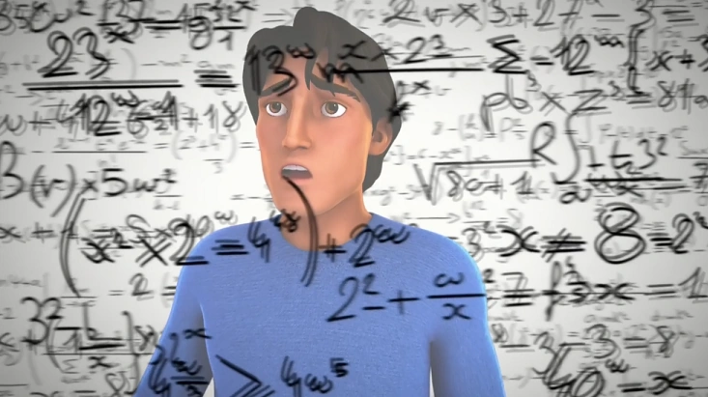
I was with my kiddo who was bingeing “ALVINNN!!! and the Chipmunks” on Netflix when my ears perked up. Not because I was excited about another reboot created by AI (as a Gen-Xer I was completely rolling my eyes), but because the episode provides insight into math trauma and a journey to healing. Here I […]
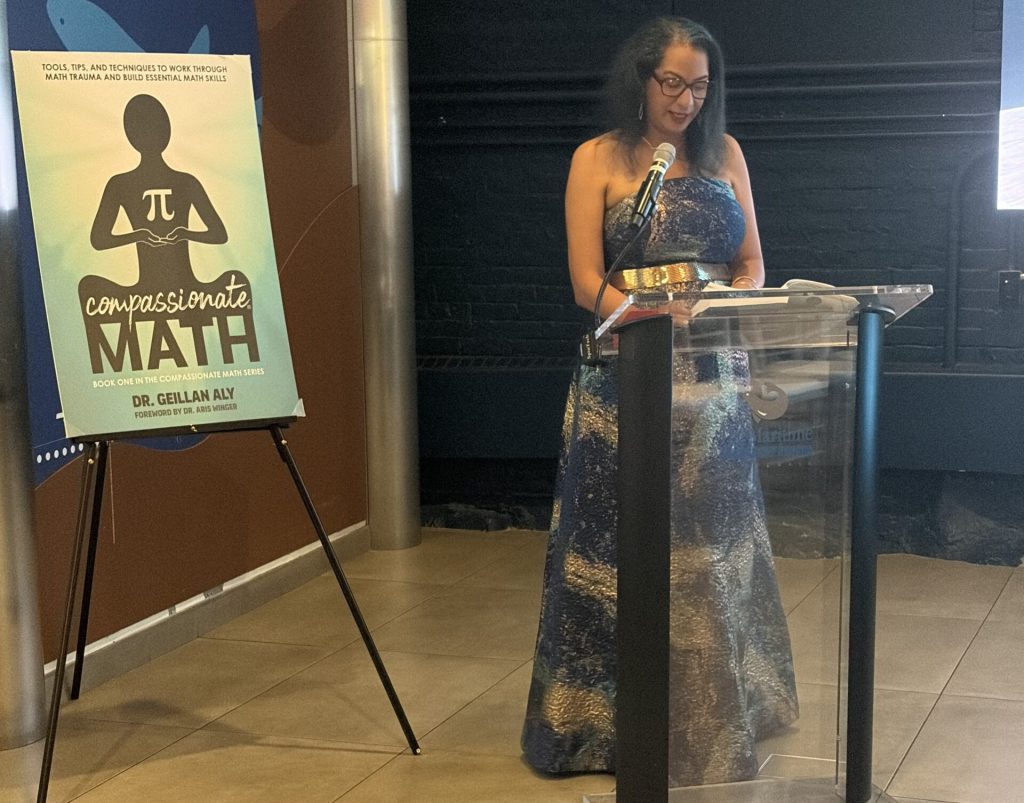
Compassionate Math bloomed out of Dr. Geillan Aly’s own math trauma and her experiences helping students find their inner math person.
Students can tell immediately whether or not your math class is compassionate. Here’s what to say, what to skip, and why the opening words matter most.
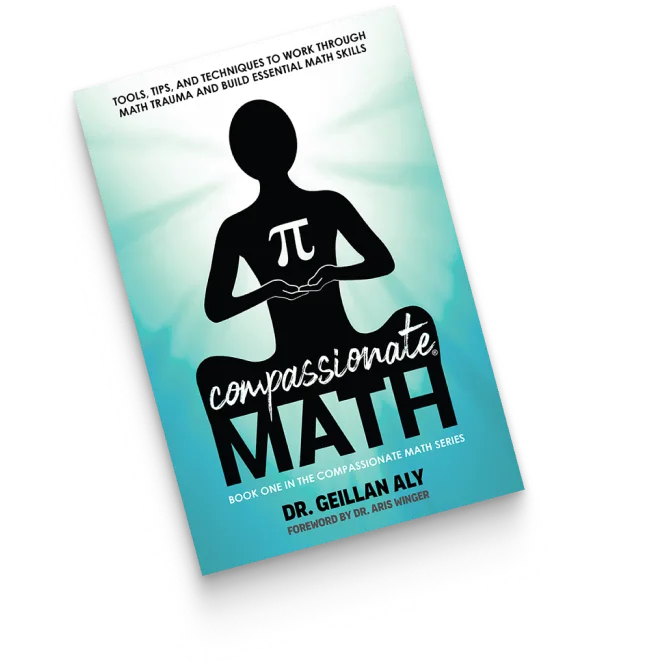
Compassionate Math: Book One of the Compassionate Math Series, is half compassion (work through math trauma), and half math (conceptually understand arithmetic).
Written for the adult reader in a friendly, yet rigorous tone.