
New Curriculum?
Learn how to best use a new curriculum to meet the specific needs of students.
Coaching / Consulting / One-On-One
Get personalized, real-time feedback on your craft. Have intensive focus provide supportive feedback to instructors to improve teaching.
Teachers often don’t have an opportunity to reflect on their teaching and receive feedback that is formative, rather than summative. One-on-one coaching provides a supportive environment where teachers can receive immediate feedback and support in the areas that matter most.
Give teachers a space where they can gain insight to improve their craft, and a space to gain insight in a confidential setting.
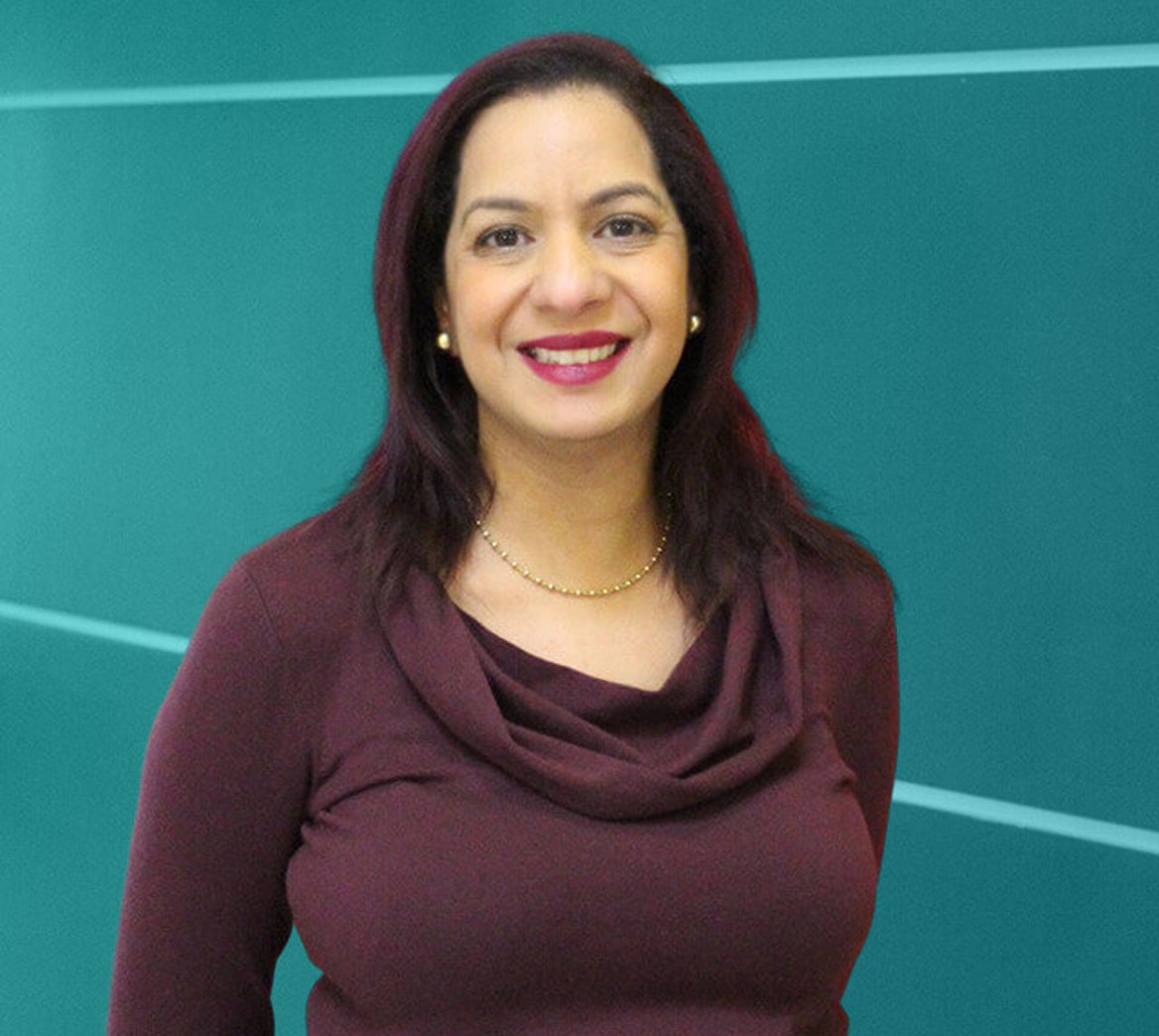
is a mathematics educator and former award winning Assistant Professor who received her PhD in Teaching and Teacher Education and a Master’s in Mathematics from the University of Arizona.
Her research focuses on the emotional side of learning mathematics and includes how computer-centered learning has affected students’ abilities to control their learning environment and how meditation may reduce mathematics anxiety.
Dr. Aly has been teaching at the university level for over ten years and, without sacrificing rigor, brings a personalized math learning experience to the classroom through active learning methods and by centering students’ emotional well-being. She is very familiar with the Common Core Standards and has experience teaching mathematics to Middle and High School students.
Underlying all of Dr. Aly’s teaching and research is a dedication to diversity, equity, inclusion and social justice in mathematics education. She enjoys traveling, seeing live music, and is an avid chef. Geillan is also a wife and mother of a beautiful boy. They live near Hartford, CT.
Teacher and faculty who want personalized, private feedback to improve teaching in non-judgemental way.
Learn how to best use a new curriculum to meet the specific needs of students.
Revitalize your teaching and increase student engagement immediately.
Have an opportunity to get non-evaluative support.
We meet privately before a lesson to discuss the content, lesson plan, and suggestions for implementation.
I observe your lesson with a "researchers" eye. Rather than being evaluative, I watch how your lesson plays out.
We discuss the lesson. I ask questions about your implementation and provide my observations and suggestions for improvement.
I send an email highlighting my suggestions and what to consider changing or improving based on our discussion. Resources will be provided if applicable.
A shame-free space for improving lessons
As a trained researcher (and not evaluator / administrative coach), I observe classes with an eye towards curiosity. Evaluations are based on supporting what's there, rather than imposing a specific goal.
Fort Greene Preparatory Academy in Brooklyn, NY values diversity and welcomes all students into the neighborhood and the classroom. As a school focused on inquiry-based curricula, students have multiple opportunities to interact with one another in small groups to build on one another’s knowledge. As diversity at the school has increased so have achievement scores; stagnant scores jumped significantly. In the 2021-2022 school year, 14% of all students met state math standards. This includes 3% of black students and 15% of Hispanic / Latinx students; the White population was so small no data were recorded. By 2022-2023, 30% of students met the state math standards, including 19% of Black students, 17% of Latinx students, and 78% of White students (see https://tools.nycenet.edu/snapshot/2024/13K691/EMS/#IP for more detailed findings). Note that these scores were not isolated to the new population, the rising tide brought by newer White students lifted the boats of Black students. These findings demonstrate that a community composed of students of diverse backgrounds and resources, where students can interact and learn from one another, benefits all students.
Nevertheless, increased diversity has also brought with it a new challenge. Namely, an achievement gap now exists among the students. There is a significant demographic difference between the grades and achievement scores of students. Recognizing the consequences of having inequitable outcomes among the student body and acknowledging the changing demographics at the school, in Spring 2024 as part of a district-wide initiative, FGPA worked with Dr. Geillan Aly, to help reduce the achievement gap.
Dr. Aly’s work has had a marked impact on the teachers and their practice by focusing on equitable teaching practices, effective implementation of student-centered lessons, and a strong focus on mathematical content. Overall achievement increased from 30% (in 2022-2023) to 36% of students meeting state standards in 2023-2024, and differences between Black and White students decreased 10 percentage points. The trend has continued to increase or hold steady with increases among English Language Learners.
You a doing a service to the inner children in us all who never knew they could be good enough so thank you
It was very related to problems I thought happened to just me but I learned how relevant it is to everyone else. It shows the reason behind why math seems scary and helps work through it.
Life changing!
Relevant and provocative ideas for improving classroom practice!
Thank you for this gift.
I’ve never addressed my maths trauma the way that I just have. This was very helpful for me now and future teacher me. Thank you!
I really enjoyed this session by Geillan Aly. It was very informative and engaging, and it gave me a fresh perspective on how I approach teaching. The session was eye-opening because it introduced me to new techniques and strategies that I can use to make my classes more interactive and student-centered. I left feeling inspired and motivated to try these ideas with my students to improve their learning experience and help them stay actively involved.
The session in IBL is very informative and it provides actionable items that we could apply and bring with us in our classroom settings. Thank you for sharing your expertise; much appreciated!
Real, relevant, and useful!
A great workshop to help you dive deeper into the introspection of your teaching.
I would explain that this session is very valuable to connecting with others who have had ‘bad’ math experiences which makes you feel more supported in similar experiences as well as giving good tips for future math classes
Good introduction to why creating a compassionate classroom is valuable and effective as a teaching practice.
Refreshing and attainable! Practical
One of the more enjoyable workshops I’ve attended in years.
A mathematical explanation to solving life problems
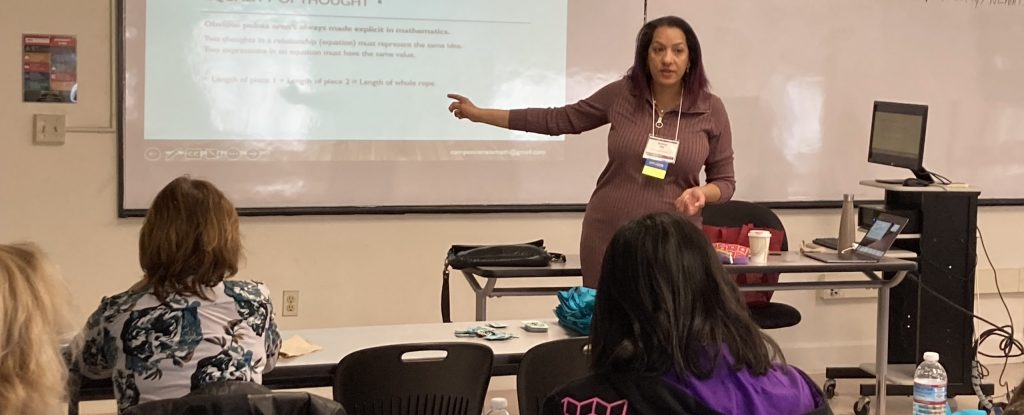
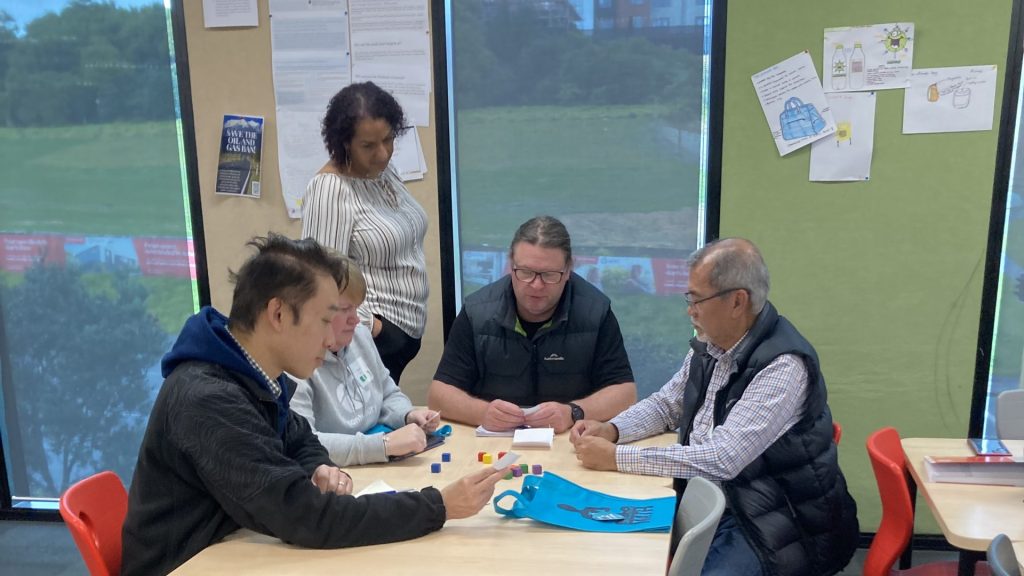
Make your inquiry-based sessions successful for all students.
Learn more
