All instructors (not just math!)
Teachers and faculty from all disciplines will gain from this program.
Group program / Workshop
Make your inquiry-based sessions successful for all students.
All students should have a space to participate and thrive. How we structure student-centered activities can determine how effective it is.
Learn how to design and implement successful student-centered classroom activities.
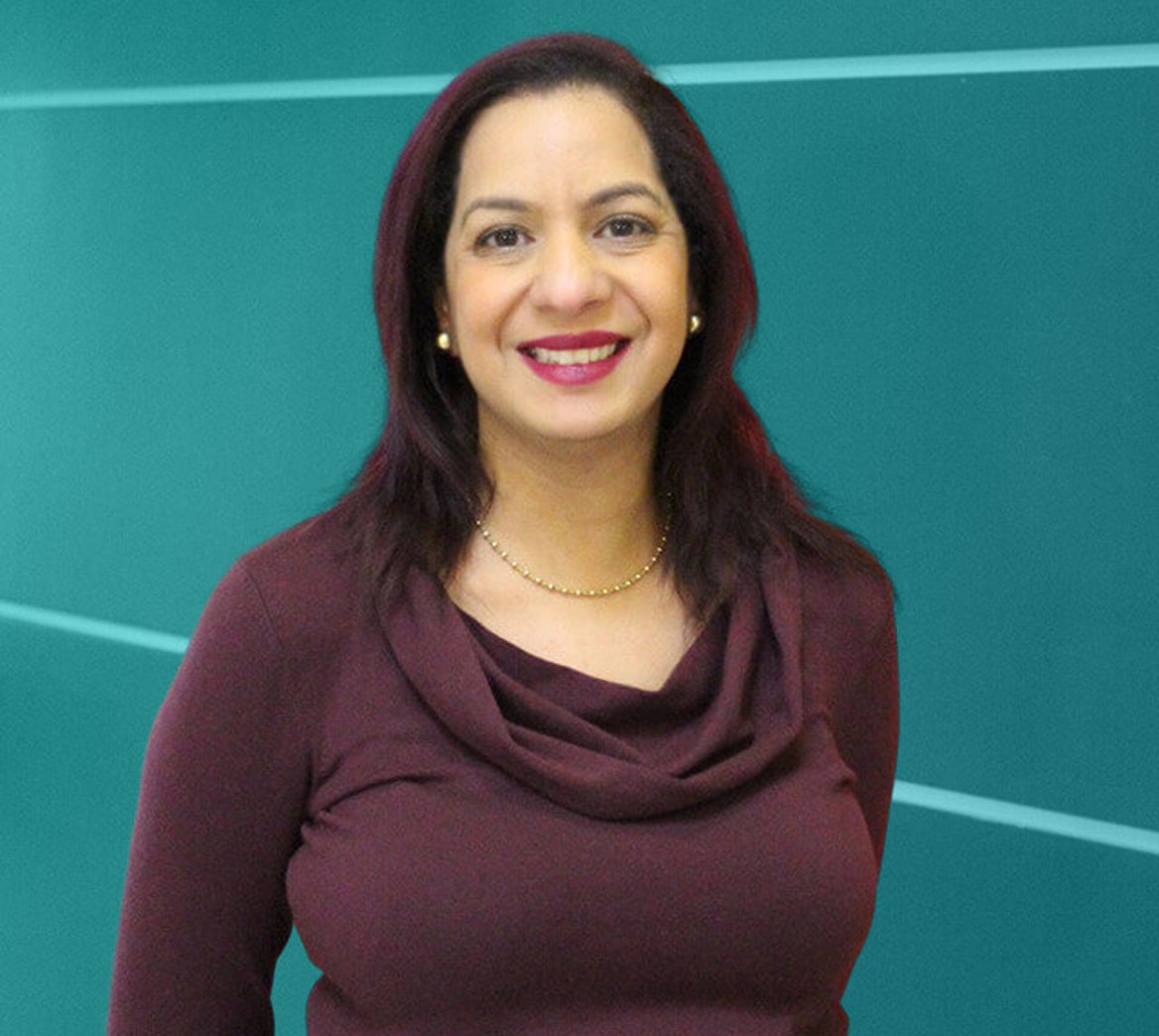
is a mathematics educator and former award winning Assistant Professor who received her PhD in Teaching and Teacher Education and a Master’s in Mathematics from the University of Arizona.
Her research focuses on the emotional side of learning mathematics and includes how computer-centered learning has affected students’ abilities to control their learning environment and how meditation may reduce mathematics anxiety.
Dr. Aly has been teaching at the university level for over ten years and, without sacrificing rigor, brings a personalized math learning experience to the classroom through active learning methods and by centering students’ emotional well-being. She is very familiar with the Common Core Standards and has experience teaching mathematics to Middle and High School students.
Underlying all of Dr. Aly’s teaching and research is a dedication to diversity, equity, inclusion and social justice in mathematics education. She enjoys traveling, seeing live music, and is an avid chef. Geillan is also a wife and mother of a beautiful boy. They live near Hartford, CT.
Teachers and university faculty who are interested in inquiry-based activities but find that some students are still not fully engaged in lessons.
Teachers and faculty from all disciplines will gain from this program.
Learn how to design activities that engages students while increasing the effectiveness of the lesson.
There may be an equity factor you are not considering.
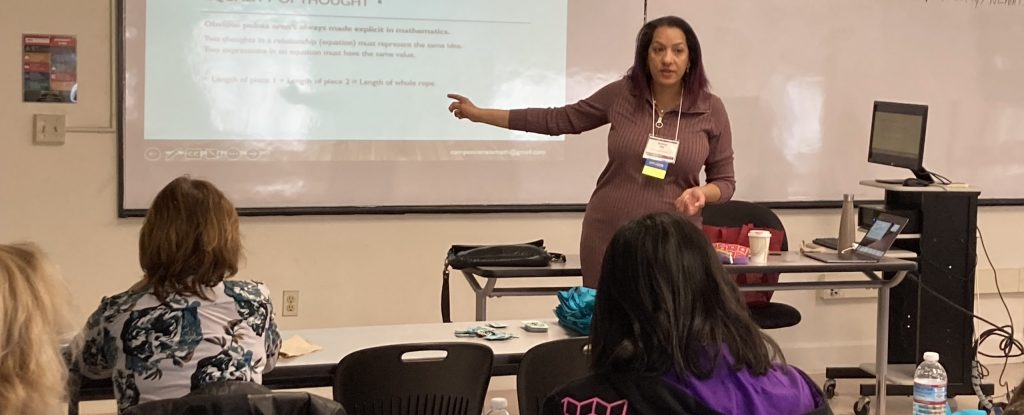
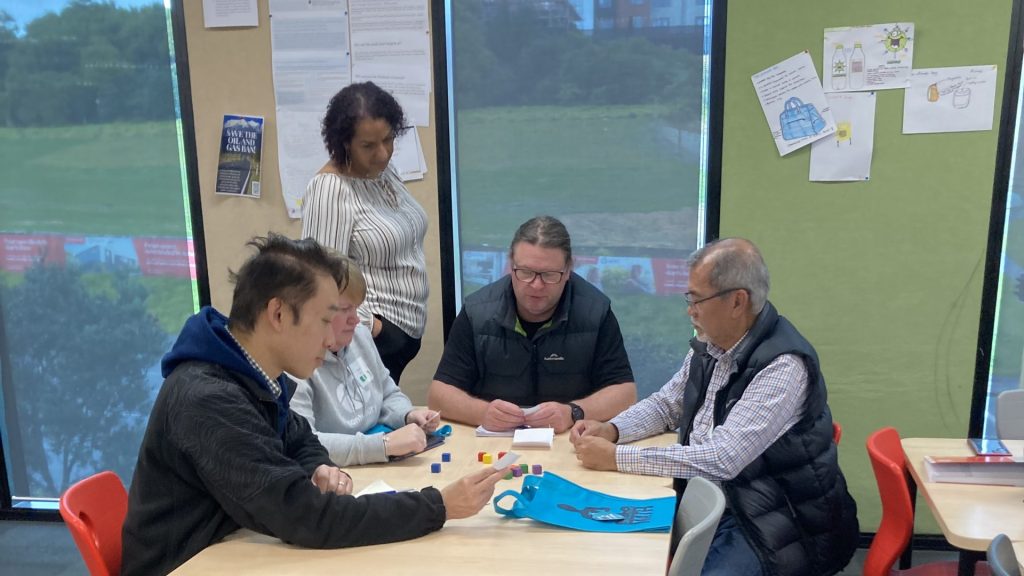
The prevailing impression of student-centered classes is that they are a more equitable space for students to learn, with gender and racial dynamics seeming to be a non-issue for student outcomes. However, there is research to indicate that this may not be the case; not all student-centered activities eliminate or reduce differences between marginalized and non-marginalized groups. In this talk, we will explore how power dynamics and mapping implicit biases can be used as a framework to create or troubleshoot student-centered classroom activities to ensure a more equitable outcome. We will specifically explore how structuring the power dynamics inherent in any activity can provide more equitable interactions between students, providing a space for all students to participate and thrive. Participants will have an opportunity to apply this framework to their current practices and as such, they are invited to bring plans and materials for a student-centered lesson which they would like to modify to ensure more equitable student participation.
Finally something that’s attainable!
Introspective workshop allowing participants time to reflect and share what foundational skills are important for classroom success
Applicable to daily teaching and realistic with helping students persevere. Geillan was approachable, easy to talk to, and more than willing to offer suggestions and advice!
The session was very interactive to help us she how to interact with students using the shared board. Great explanation of Inquiry Based Learning and how it works.
Very Informative. Provide good skills to engage whole class.
Real, relevant, and useful!
The session was insightful and affirming. It gave both motivation for practices, and big and small practices to create equity in the classroom.
You a doing a service to the inner children in us all who never knew they could be good enough so thank you
Life changing!
Compassion is the third stool leg along side content and pedagogy in math instruction.
It was great! Exactly what I needed at this point in the semester.
She did everything perfect honestly, and left me with the conclusion that everybody can be a pro at math
I’ve never addressed my maths trauma the way that I just have. This was very helpful for me now and future teacher me. Thank you!
Loved the cycle of benign neglect it's information that needs to be shine more light on that issue. i really left more inspired and will certainly share this with my mom, who struggles with anxiety in other areas and it's amazing how unstoppable someone can be by motivated intrinsically.
Great speaker! Very knowledgeable and passionate about her work.