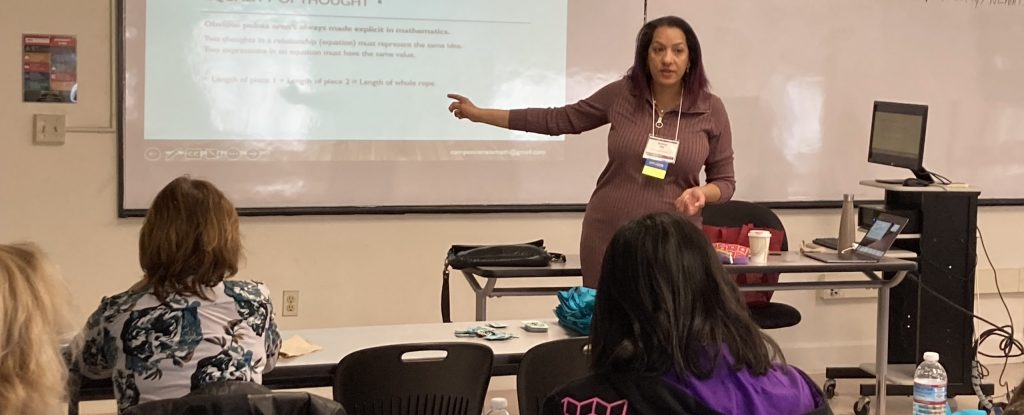
Intellectual risks
Students can't learn and grow if they don't put themselves out there.
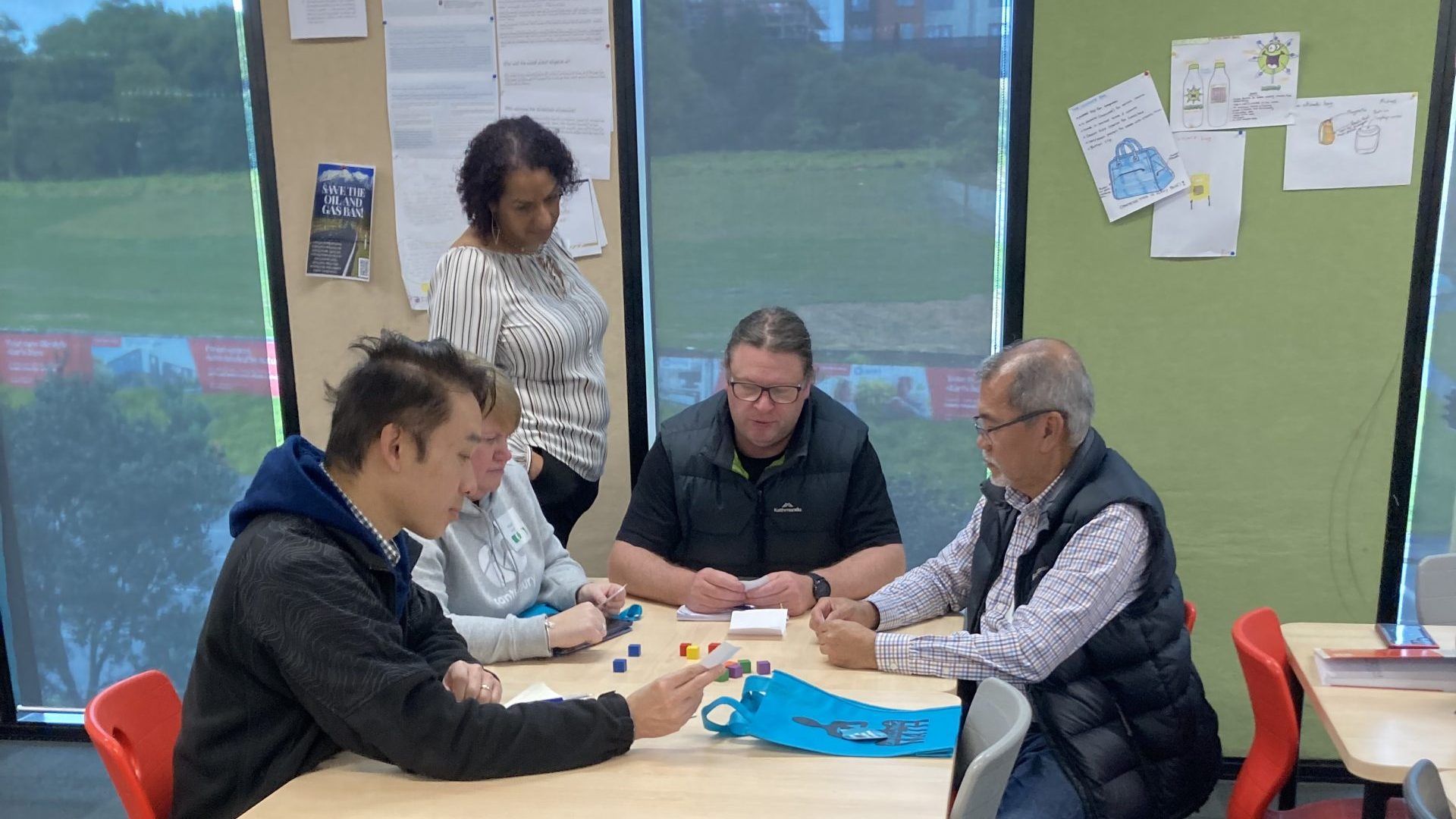
Keynote / Online service / Workshop
Learning happens when it's ok to make mistakes.
More than ever, students have a hard time participating or being vulnerable in class:
Creating the right environment where students feel comfortable taking risks in mathematics isn’t hard, it just takes deliberate effort.
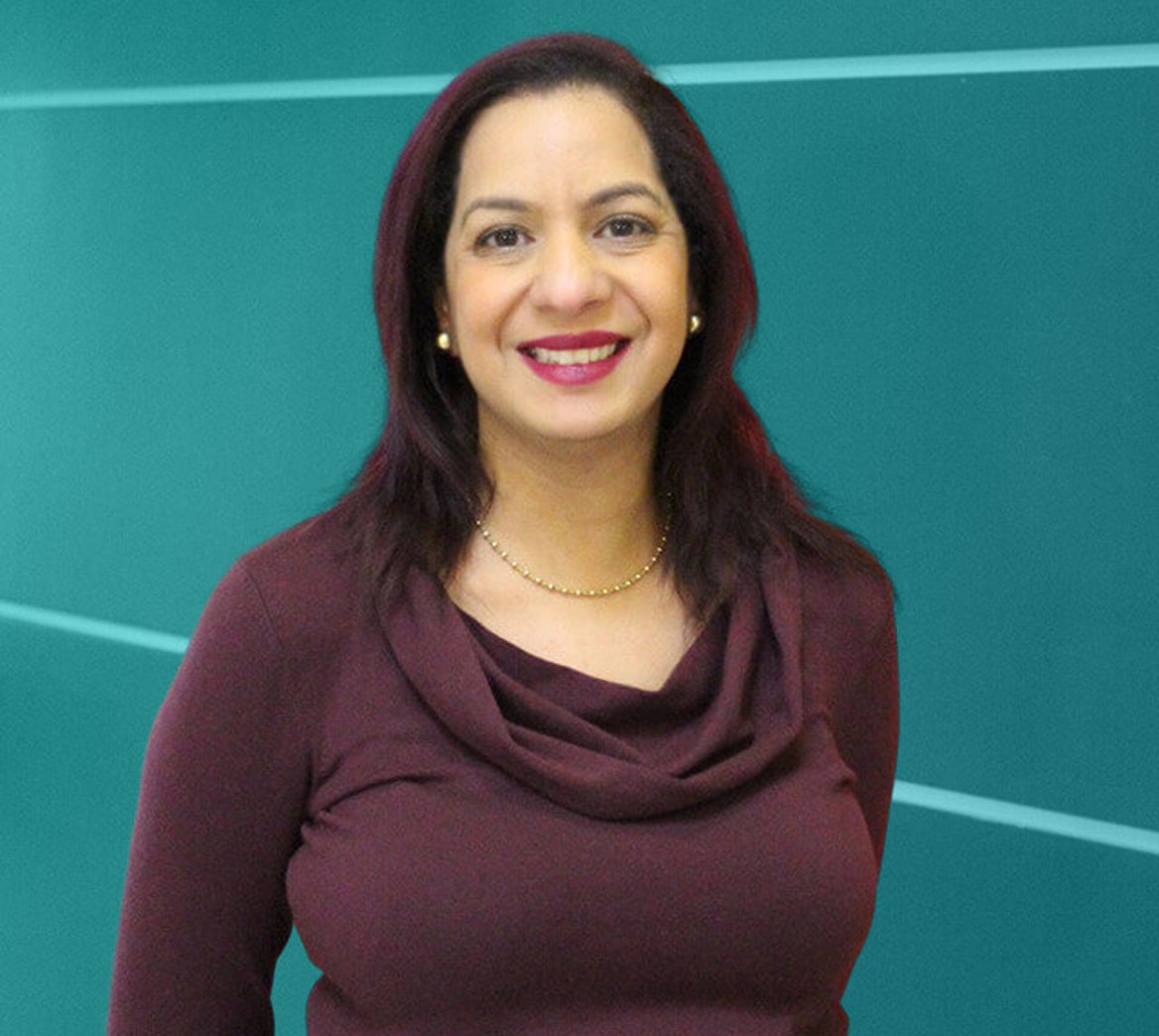
is a mathematics educator and former award winning Assistant Professor who received her PhD in Teaching and Teacher Education and a Master’s in Mathematics from the University of Arizona.
Her research focuses on the emotional side of learning mathematics and includes how computer-centered learning has affected students’ abilities to control their learning environment and how meditation may reduce mathematics anxiety.
Dr. Aly has been teaching at the university level for over ten years and, without sacrificing rigor, brings a personalized math learning experience to the classroom through active learning methods and by centering students’ emotional well-being. She is very familiar with the Common Core Standards and has experience teaching mathematics to Middle and High School students.
Underlying all of Dr. Aly’s teaching and research is a dedication to diversity, equity, inclusion and social justice in mathematics education. She enjoys traveling, seeing live music, and is an avid chef. Geillan is also a wife and mother of a beautiful boy. They live near Hartford, CT.
Students can't learn and grow if they don't put themselves out there.
Students need to be comfortable explaining their thinking and critiquing others' work.
As students are willing to take intellectual risks and embrace challenges and mistakes, their grades and outcomes will improve.
Actively work with your colleagues to discuss and practice being vulnerable.
Bring faculty together to foster vulnerability in one room.
Work remotely if gathering isn't possible or to meet budget constraints.
Modify the session for a large audience.
Plus: Get the Ability to Follow up
Remote, follow up sessions to discuss implementation and receive feedback are available.
Everything you need to know about how the program runs.
Content in all modalities is extremely similar.
Session times can range between 1-2 hours. Ideally, 1 hour for a keynote, up to 2 hours for an in-person session.
You did all the right things. You set up great activities, and opportunities for collaboration. Yet, your students won't volunteer answers or some sit quietly during activities. You ask if there are questions and no one raises a hand, but you suspect that there's something to say. In this workshop, we will explore vulnerability in math class. Why it happens, why it is so hard to be vulnerable in math class, and how we as teachers can promote vulnerability. This workshop is welcome to all, with the expectation that you come ready to be vulnerable yourself.
Spoke about students' hearts as well as their minds!
The session was insightful and affirming. It gave both motivation for practices, and big and small practices to create equity in the classroom.
The session in IBL is very informative and it provides actionable items that we could apply and bring with us in our classroom settings. Thank you for sharing your expertise; much appreciated!
Refreshing and attainable! Practical
It made me think a lot about how I have been conditioned to think about math, and it gave me confidence to keep doing higher maths.
It was a very passionate talk with patience and real life scenarios where Dr. Aly's tips could be used.
Thank you! I liked that we shared ideas. Plus Geillan gave great specific ideas.
I definitely got something I can take away to improve my online instruction.
This session provided candid, helpful realistic ideas and advice that are applicable and ready to use.
Relevant and provocative ideas for improving classroom practice!
If I had to [describe] this session to a friend or colleague I would tell them that we are all capable of do good in math and even with all the barriers that we might encounter, we can always become successful.
You are my hero.
Very Informative. Provide good skills to engage whole class.
In teaching math, it's just as important to recognize the feelings and associations someone might have with a topic as the actual content that you'll be covering. Acknowledge and affirm the bad and harness the good.
Beautifully paced, kind, supportive and connected to truths
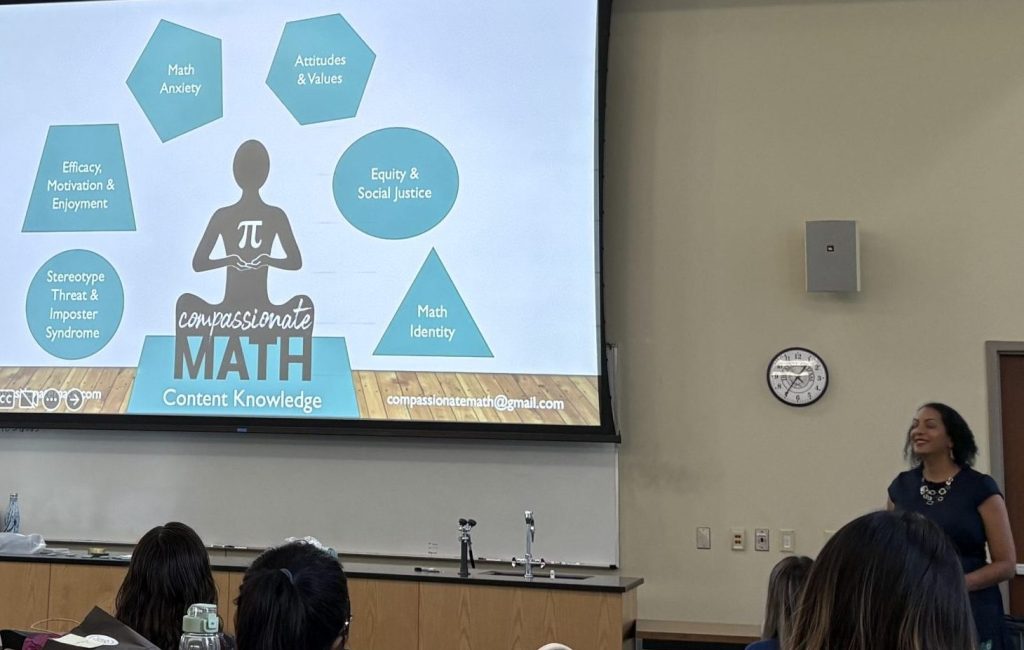
Bring socio-emotional learning (SEL) to your math class and transform your teaching and your students' outcomes.
Learn more
Make your inquiry-based sessions successful for all students.
Learn more