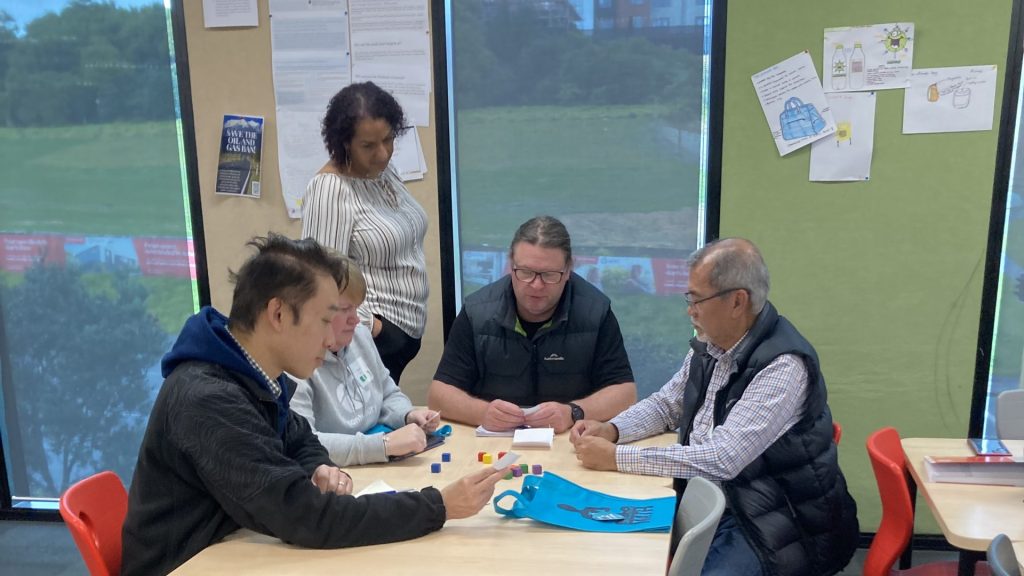
College students
Too many college students avoid their desired major due to math requirements. They are purposefully compromising on their potential.
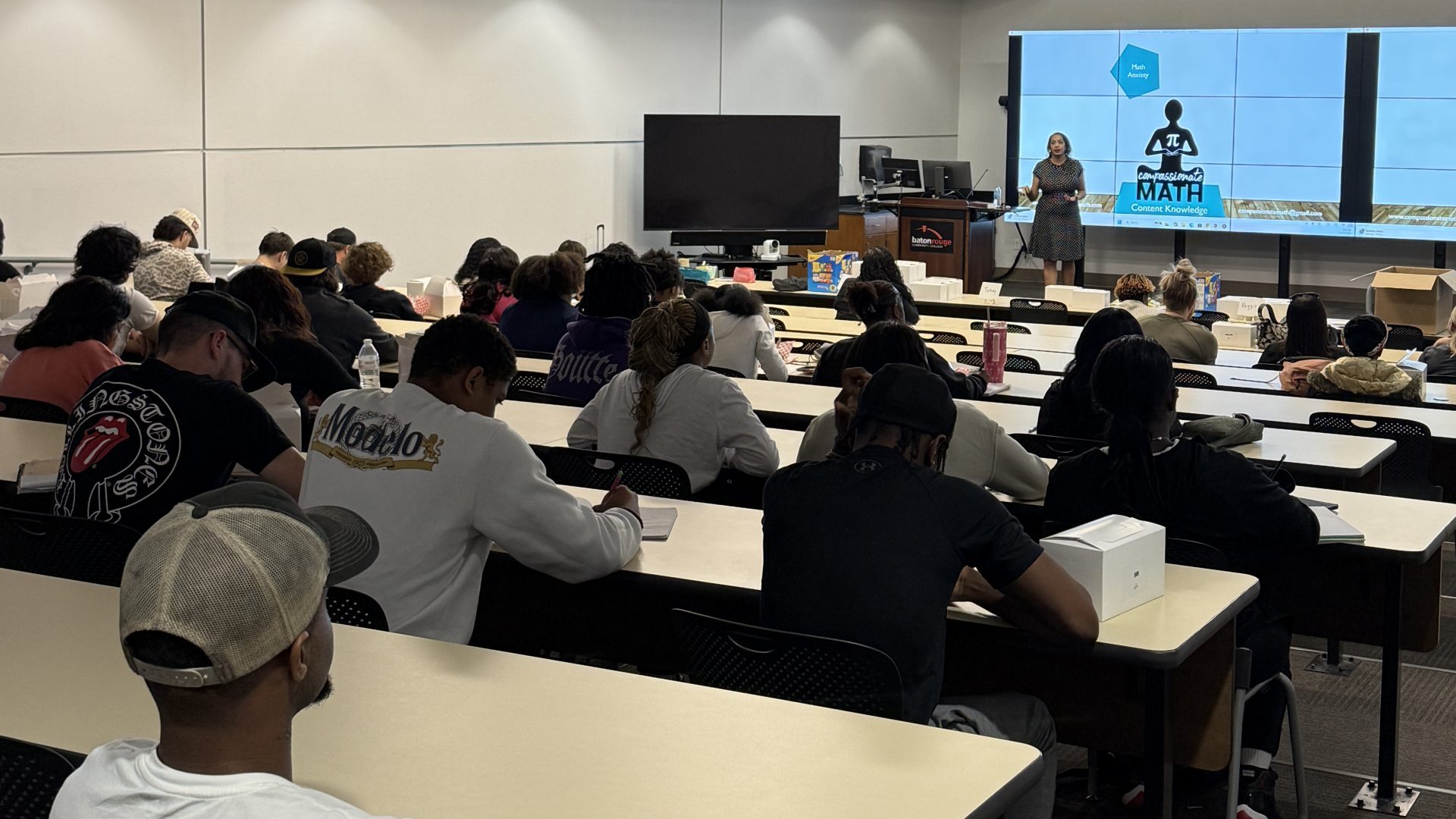
Group program / Workshop
Rethink your relationship with math and find success.
Math trauma is the inability or unwillingness to engage in math due to previous negative experiences tied to learning math. Such experiences can look like:
Many people suffer from math trauma, and it doesn’t just come from the classroom. Our society acts like some people are “math people” and some aren’t and therefore receive different opportunities and supports. This results in different outcomes, reinforcing the “math people” myth.
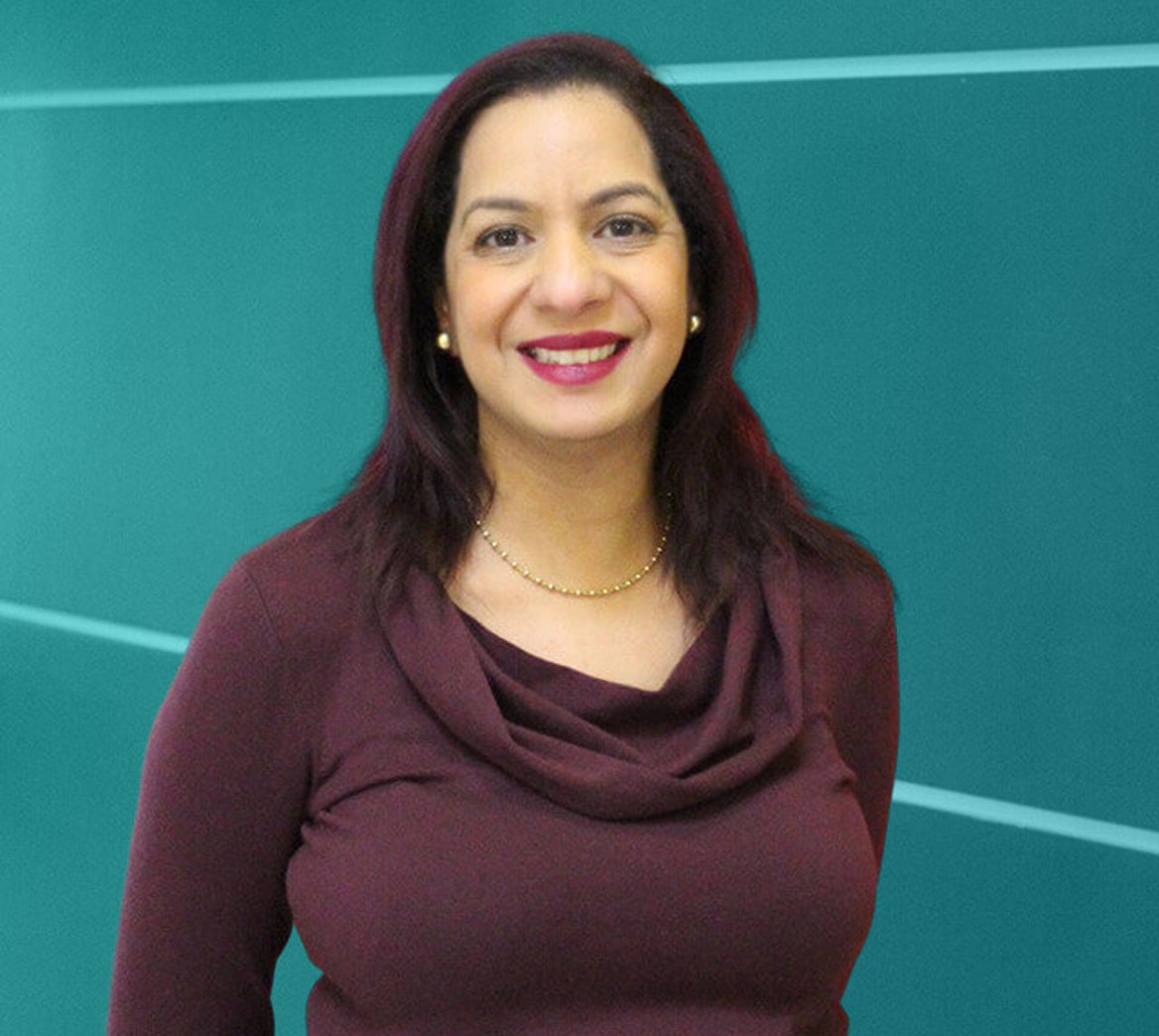
is a mathematics educator and former award winning Assistant Professor who received her PhD in Teaching and Teacher Education and a Master’s in Mathematics from the University of Arizona.
Her research focuses on the emotional side of learning mathematics and includes how computer-centered learning has affected students’ abilities to control their learning environment and how meditation may reduce mathematics anxiety.
Dr. Aly has been teaching at the university level for over ten years and, without sacrificing rigor, brings a personalized math learning experience to the classroom through active learning methods and by centering students’ emotional well-being. She is very familiar with the Common Core Standards and has experience teaching mathematics to Middle and High School students.
Underlying all of Dr. Aly’s teaching and research is a dedication to diversity, equity, inclusion and social justice in mathematics education. She enjoys traveling, seeing live music, and is an avid chef. Geillan is also a wife and mother of a beautiful boy. They live near Hartford, CT.
A two-hour workshop to help participants reflect and work through their math trauma so they can be successful.
Too many college students avoid their desired major due to math requirements. They are purposefully compromising on their potential.
Teachers with math trauma produce students with math trauma. Support your teachers and increase your students' outcomes.
Parents want the best for their children. However, their math trauma may end up hurting them ("I didn't do well in math so it's ok that you don't do well. We're not math people").
Math trauma doesn't care about your age or profession. If math has held you back, this program was built for you.
All content is research-based.
Your math story isn't just about you; it's about society and your place in it.
You can't move forward unless you let go of the pain you carry.
Outline why you need to learn math and how it will help you achieve your goals.
Receive practical strategies and advice for your path forward.
Optional:
Followup sessions are possible to explore these areas more deeply.
Everything you need to know about how the program runs.
Sample flyers and a social media video will be sent to help you advertise the workshop.
This is an in-person 2-hour workshop. No preparation needed in advance. If you are interested in a remote option, the online workshop is available.
Limit of 50 participants per session. Contact Geillan if you expect more than 50 attendees.
Participants receive a reference card summarizing the workshop and strategies share.
Many students arrive at college excited and anxious to take a big step towards their desired future. However, past math experiences leave them anxious about their mathematics requirements, thinking they are “just not good at math”. In this workshop, participants have an opportunity to explore and reflect on their feelings towards mathematics. Participants start by reflecting on and sharing their previous math learning experiences to place these experiences in context, learning that: (1) they are not alone; (2) their experiences are likely not tied to them as an individual, but are a result of sociohistorical forces. This allows students to think deeply and critically about how they approach math. Participants then reorient themselves based on these new realizations and their motivation to succeed. This reorientation includes strategies and tips for learning mathematics. Finally the workshop gives participants an opportunity to work on a mathematical problem, setting the stage for a positive opportunity to engage with mathematics. All participants are encouraged to participate in small-group and whole session discussions throughout the program, reducing the “I’m alone” stigma and forming bonds with others in the group. They are also encouraged to continue working and studying together after the workshop is completed.
Learning objectives:
• Explain how the Compassionate Math framework and The Cycle of Benign Neglect contribute to student success in mathematics.
• Establish the connection between factors in the Compassionate Math framework and issues related to equity and social justice.
• Reframe previous mathematical experiences to reduce guilt and shame so that students are willing to more deeply engage with mathematics.
• Reflect on one's personal goals for being in college (and succeeding in mathematics) to trigger implicit motivation to studying mathematics.
• Apply high-level strategies to be more successful in mathematics.
Here's a blurb for students:
Your past experiences in math class may have left you anxious about your mathematics requirements or thinking you are “just not good at math”. In this workshop, you'll have an opportunity to explore and reflect on these feelings, putting your experiences in context and learn that you are not alone and that your feelings about math has less to do with your intelligence compared to other forces (which we will discuss). You'll learn why learning math is important. Finally, strategies tools for getting the most out of math class will be shared.
This session provided candid, helpful realistic ideas and advice that are applicable and ready to use.
It was a very passionate talk with patience and real life scenarios where Dr. Aly's tips could be used.
I’ve never addressed my maths trauma the way that I just have. This was very helpful for me now and future teacher me. Thank you!
AMAZING, very insightful on power struggles, values of intellectual contributions, norms, strengthening student contributions
I feel 10x better about math walking out of this room than when I first walked in!
Interactive, easy talk listen to, talk to, express, real life Classroom Interactions
Introspective workshop allowing participants time to reflect and share what foundational skills are important for classroom success
Engaging and interactive activities that were insightful and able to be understood by all through explanation and support.
Geillan was very friendly and approachable. It was easy to open up about math struggles. Thank you!!
Finally something that’s attainable!
We discussed belonging in much broader sense than I expected, and it was wonderful and deeply thought provoking and emotionally hard but excellent.
Thank you for treating the audience as experienced adults who want to grow.
Very inspirational and insightful. This session helped me understand and confront my mathematical anxiety and the factors affecting my math identity. I hope to use these strategies in my own future learning and as a maths educator. The session was very engaging and thought provoking and challenged my assumptions about math and what makes a maths person. I especially enjoyed writing the love letter to myself about my math experience and confronting math problems in the future while managing my math anxiety.
She did everything perfect honestly, and left me with the conclusion that everybody can be a pro at math
Just naming beliefs and spending time reflecting really opened my eyes to what could be possible.

Rethink your relationship with math and find success at your own pace.
Learn more
Get personalized feedback on your exam. Understand what you did well, and what concepts are still shaky. Get actionable feedback on what areas you need to focus on.…
Learn more