
Within one school
Dedicated time to focus on pedagogy and not administrative challenges.
Coaching / Consulting / Group program
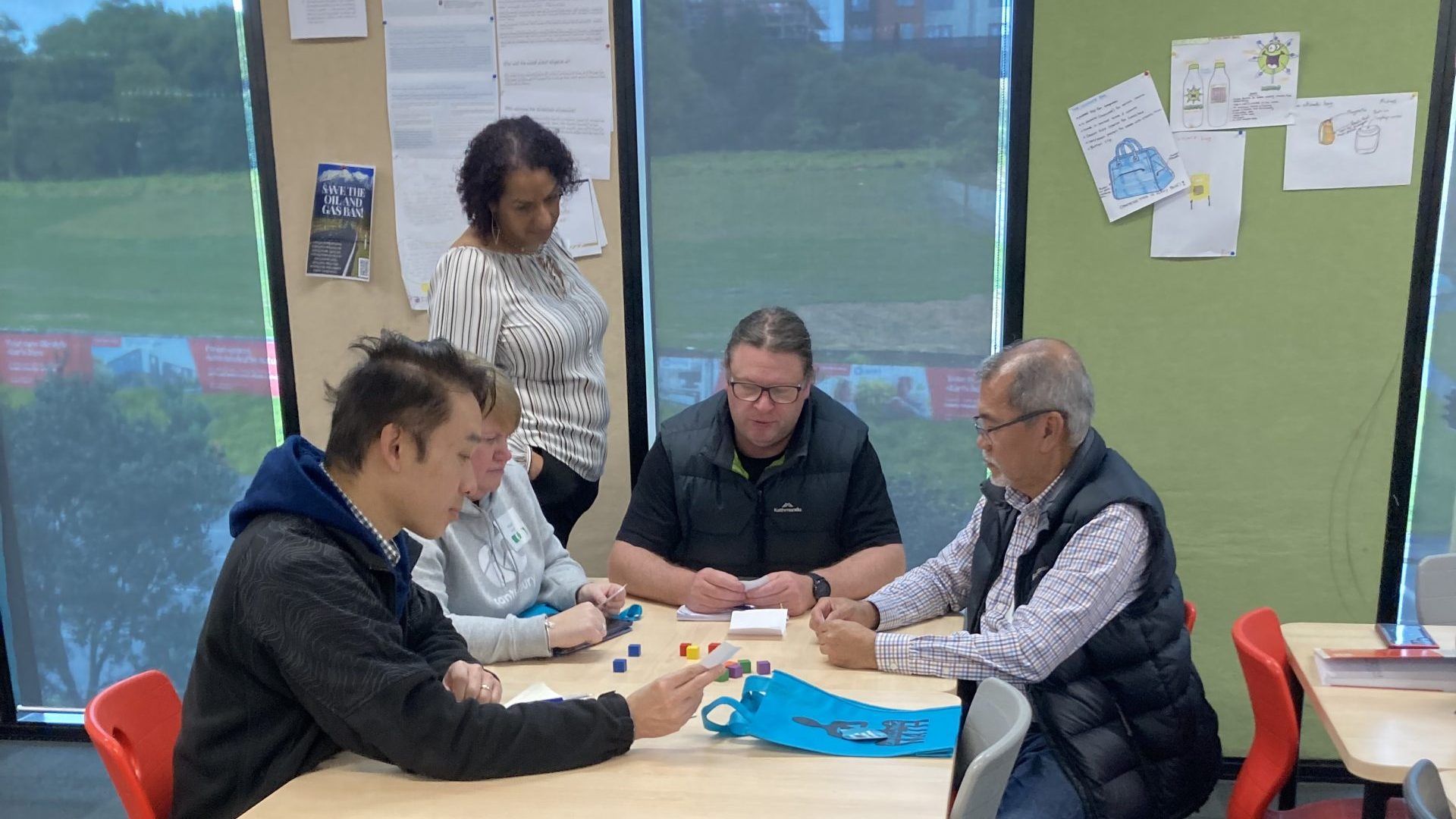
Small, safe groups for teachers to get professional support.
Inquiry groups provide a safe space for teachers to discuss issues and receive ideas, support, and feedback.
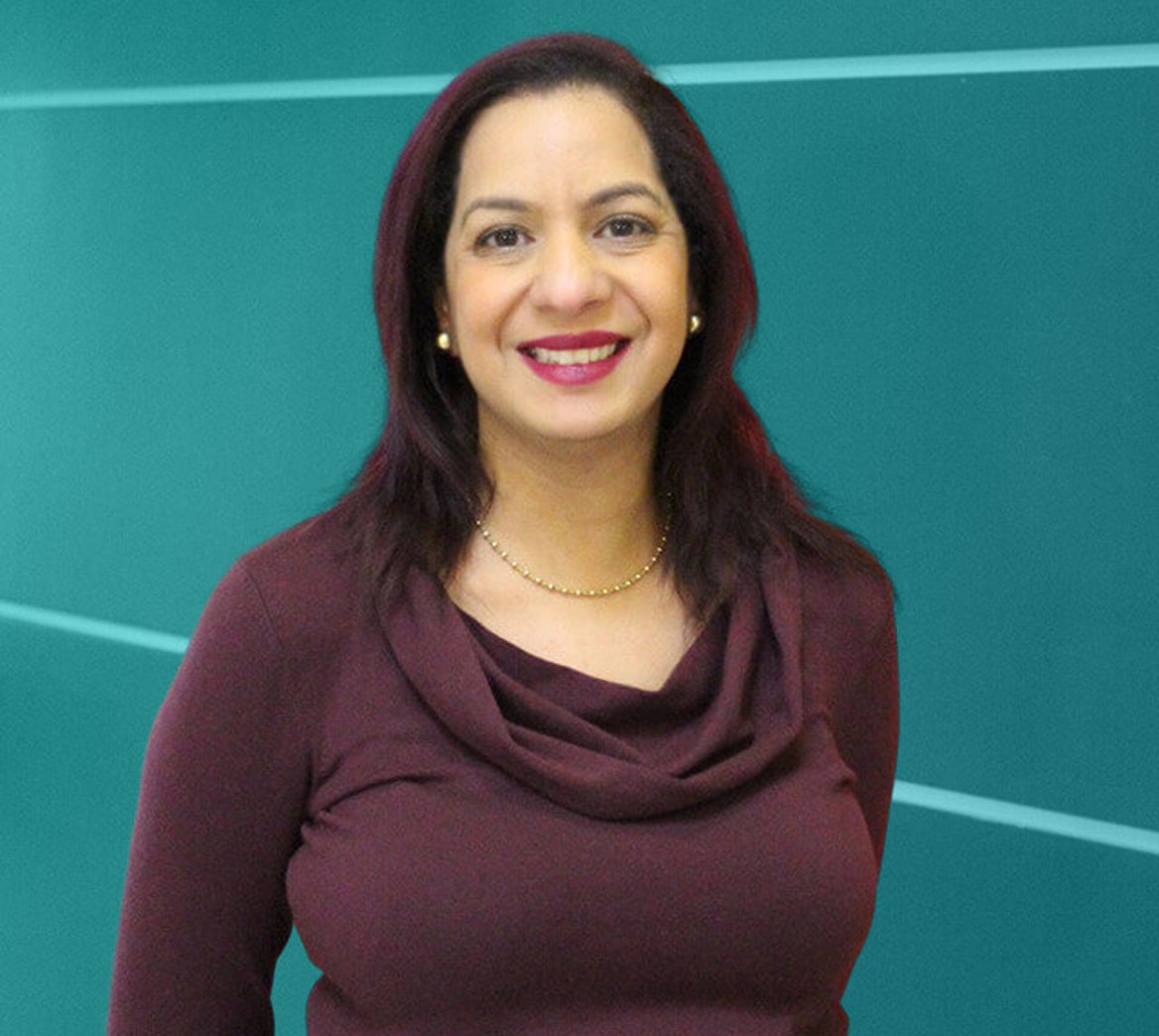
is a mathematics educator and former award winning Assistant Professor who received her PhD in Teaching and Teacher Education and a Master’s in Mathematics from the University of Arizona.
Her research focuses on the emotional side of learning mathematics and includes how computer-centered learning has affected students’ abilities to control their learning environment and how meditation may reduce mathematics anxiety.
Dr. Aly has been teaching at the university level for over ten years and, without sacrificing rigor, brings a personalized math learning experience to the classroom through active learning methods and by centering students’ emotional well-being. She is very familiar with the Common Core Standards and has experience teaching mathematics to Middle and High School students.
Underlying all of Dr. Aly’s teaching and research is a dedication to diversity, equity, inclusion and social justice in mathematics education. She enjoys traveling, seeing live music, and is an avid chef. Geillan is also a wife and mother of a beautiful boy. They live near Hartford, CT.
Support your teachers and develop collegial collaboration
Dedicated time to focus on pedagogy and not administrative challenges.
Bring teachers together to break down silos and learn what is working in other schools.
What you need to know...
Ideally, teacher groups should expect to meet once per month for two hours each. This provides all teachers in the group the opportunity to share their concerns and have their questions answered.
Groups should ideally have 5-7 participants who are dedicated and able to attend all meetings. Multiple Inquiry Groups can be held to accommodate a large group teachers.
Meetings will be held via zoom.
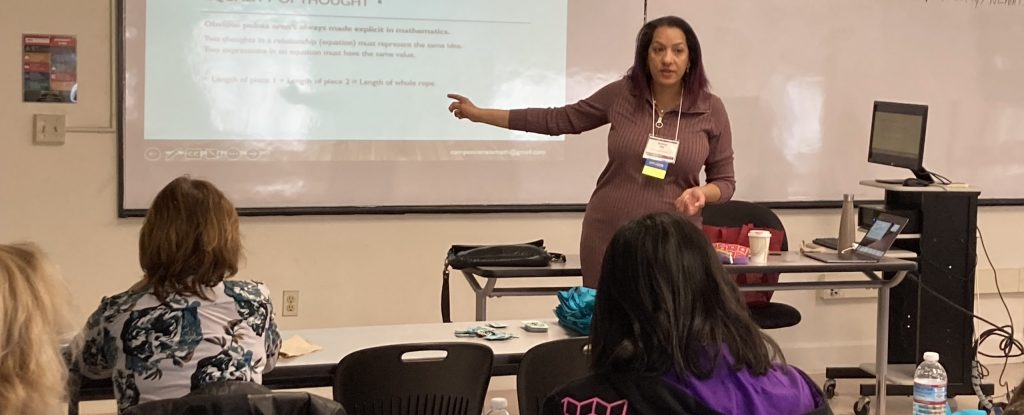
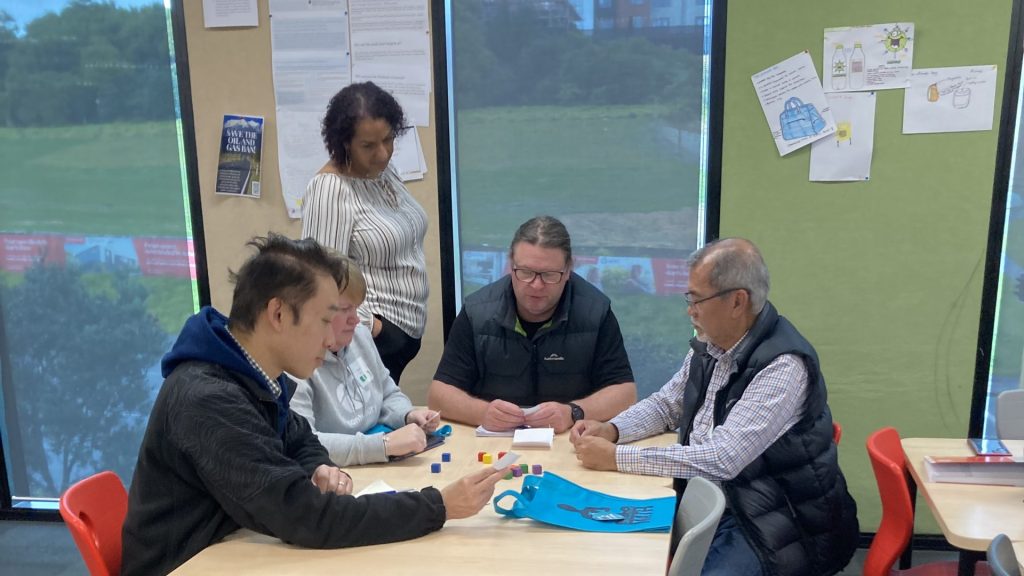
Teacher Inquiry Groups are sessions where a cohort of teachers meets regularly for two hours (e.g., once per month) to refine their craft. Teachers should come from different schools and different levels (6-12 grade) allowing for interaction and collaboration across schools and grade-levels). I used this model with teacher fellows in the Waterbury School District (Waterbury, CT) through Math 4 America (a three-year fellowship). Each year, we had a different theme / focus. Some were book studies where we read the book and did an interactive active application of the book (e.g., 5 Practices for Productive Mathematical Discussions). Others focused on one idea and reinforcing it (e.g., establishing and implementing norms to meet specific goals). In all cases, activities and reflections were organically designed based on the day’s discussions and teachers’ needs.
Geillan was very friendly and approachable. It was easy to open up about math struggles. Thank you!!
Beautifully paced, kind, supportive and connected to truths
She helps you a lot by understanding that you are not alone and struggling in math is completely normal
Not only applicable to math but applicable to all fields and harnessing your full ability to achieve anything you want out of life
AMAZING, very insightful on power struggles, values of intellectual contributions, norms, strengthening student contributions
I found that her study tips would be helpful for more than just math class.
It was a very passionate talk with patience and real life scenarios where Dr. Aly's tips could be used.
I’ve never addressed my maths trauma the way that I just have. This was very helpful for me now and future teacher me. Thank you!
Very inspirational and insightful. This session helped me understand and confront my mathematical anxiety and the factors affecting my math identity. I hope to use these strategies in my own future learning and as a maths educator. The session was very engaging and thought provoking and challenged my assumptions about math and what makes a maths person. I especially enjoyed writing the love letter to myself about my math experience and confronting math problems in the future while managing my math anxiety.
She did everything perfect honestly, and left me with the conclusion that everybody can be a pro at math
Finally something that’s attainable!
Thank you! This is the hard HEART work. I appreciate your message and passion for keeping equity, social justice, and access at the forefront! <3
The session in IBL is very informative and it provides actionable items that we could apply and bring with us in our classroom settings. Thank you for sharing your expertise; much appreciated!
It was so informative session and i was surprised how Geillan kept my attention for whole 2 hrs!! And i’m so happy that someone pronounced my name correctly 😁✨
This session provided candid, helpful realistic ideas and advice that are applicable and ready to use.
Make your inquiry-based sessions successful for all students.
Learn more
